Storytelling
Some stories are still waiting to be told.
I explore narrative storytelling across formats from screenplays and visual concepts to evolving story worlds.
My work is driven by a curiosity for human emotion, history and the subtle connections between people and their environment. Each story begins as an idea, and gradually takes form through writing, visuals and structure.
Storytelling entered my work naturally, around the same time I was exploring documentary.
In the beginning in 2015, it was simple short films, rough ideas, small skits made on a phone. There was no structure, no clear direction. Just an urge to create something from what I was observing around me.
Those early experiments weren’t about making finished stories.
They were about understanding what a story could be.
For me, storytelling is not limited to a single medium.
A story may begin as a written idea, evolve into a visual sequence, or take shape as a longer narrative through film or illustrated formats. I often explore stories through multiple layers of concept, structure, imagery, and tone before they reach their final form.
This process allows each narrative to grow organically, while staying rooted in meaning and emotional clarity. Over time, I realized that instinct alone wasn’t enough. If I wanted to tell stories that stayed, I needed to understand how they are built.
That shift took me into animation and 3D. Having grown up watching animation and anime from Attack on Titan and Naruto to epics like Mahabharata. I was always drawn to stories that were layered, expansive, and emotionally grounded.
But in practice, I found myself working more on the technical side modeling, animation, small commercial projects, and ads. It was valuable experience, but it also made one thing clear:
I didn’t just want to create visuals. I wanted to tell stories.
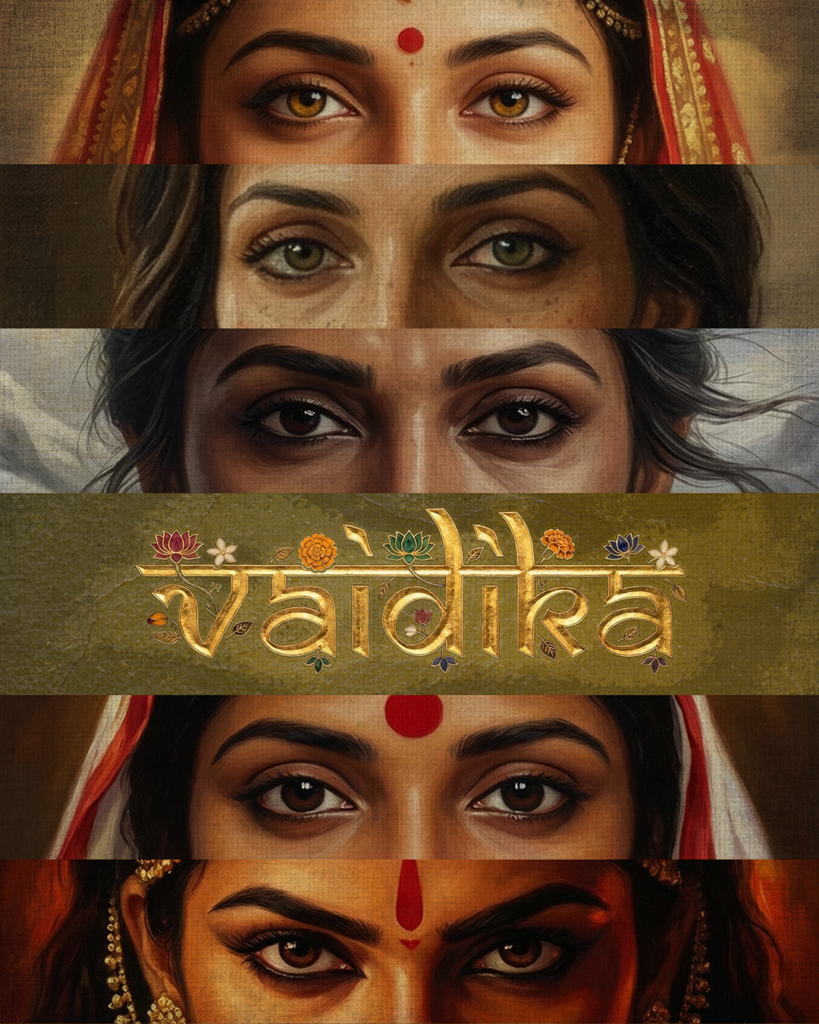
Vaidika
There are stories that feel discovered rather than created.
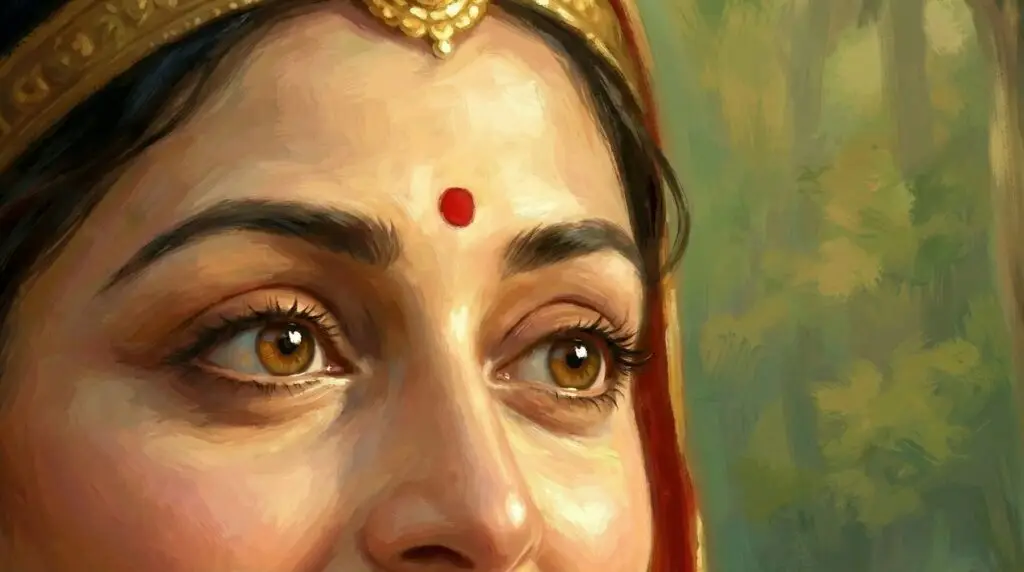
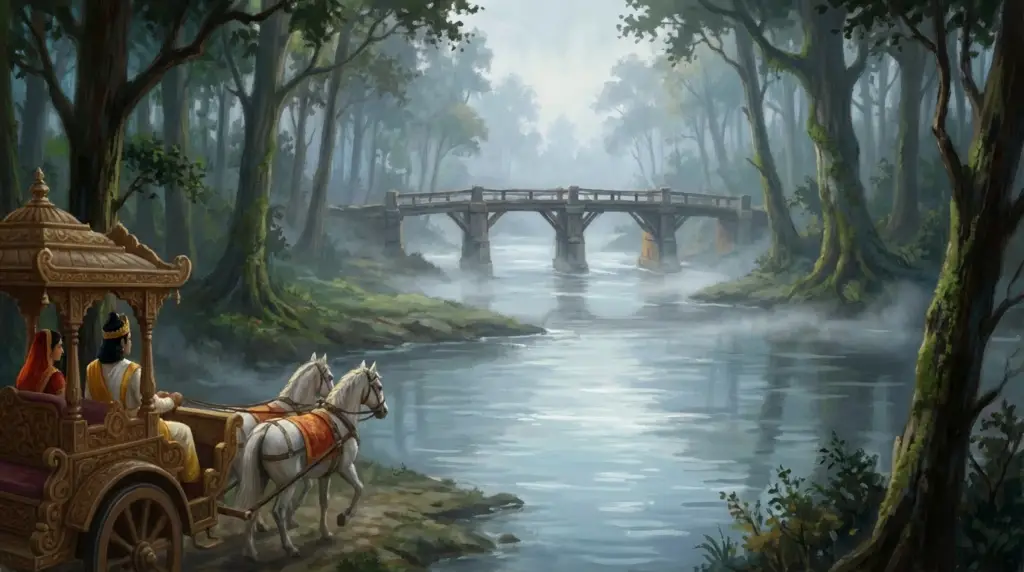
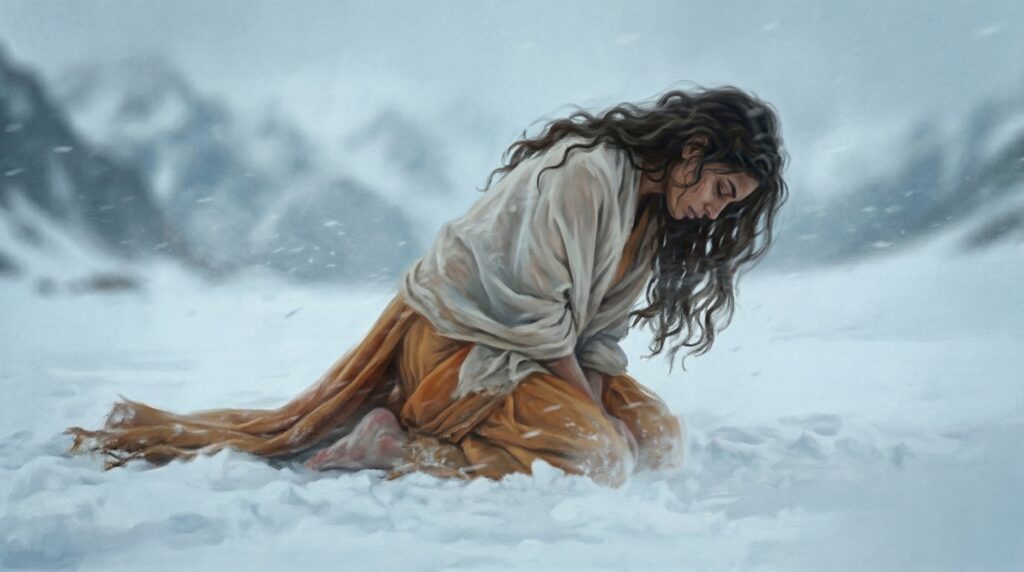
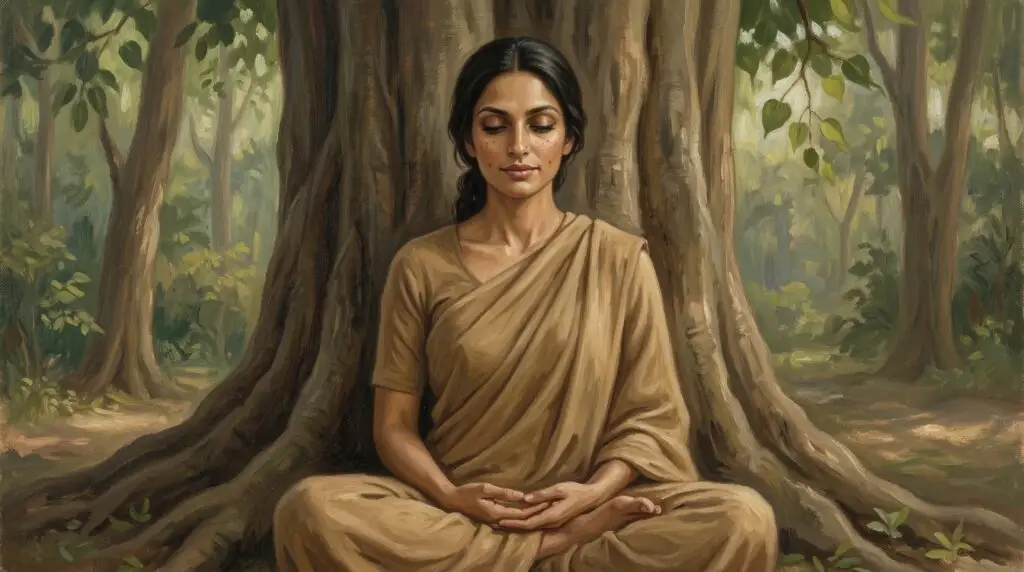
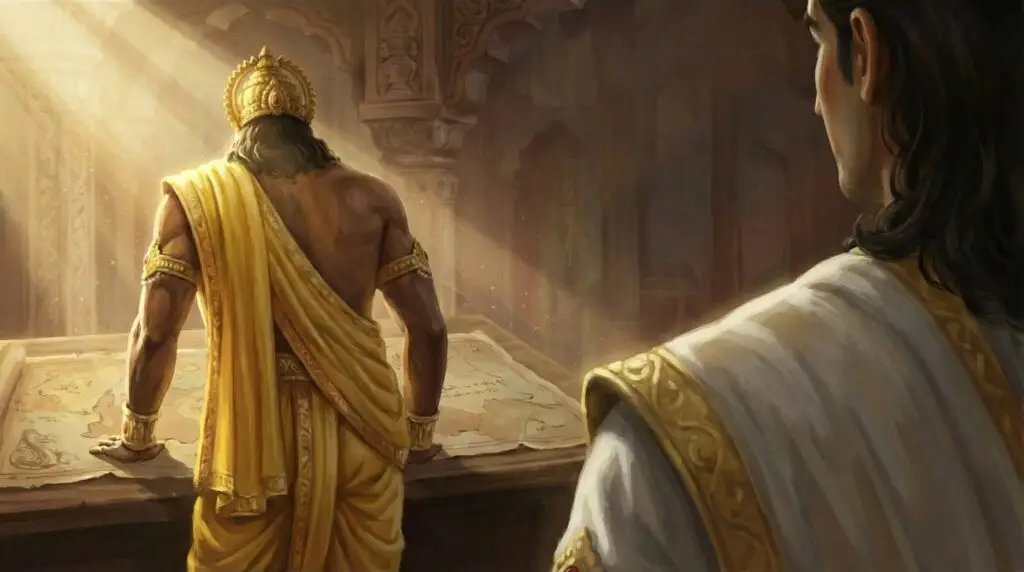
Vaidika is one such exploration a narrative that moves between memory, mythology and the present, without fully belonging to any one of them.
It is not defined by a single form, but by a process one that evolves through fragments, visuals and ideas over time.
For me, storytelling is not limited to film or format.
I see stories in everything in history, in science, in everyday life, in the way people remember and interpret the world. The way something is told shapes how it is understood.
And that’s what keeps me interested, not just in telling stories, but in finding the ones that are often overlooked.
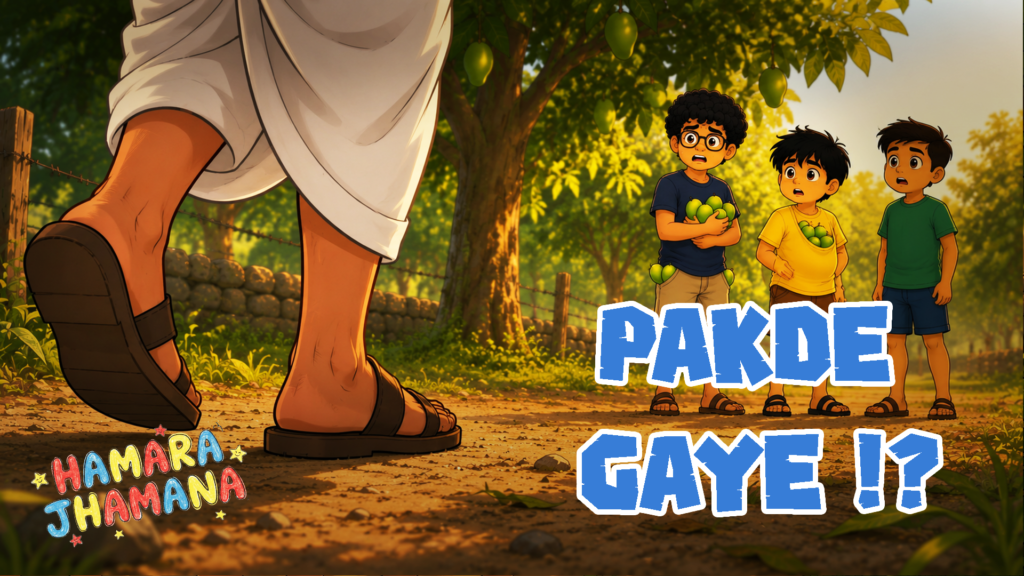
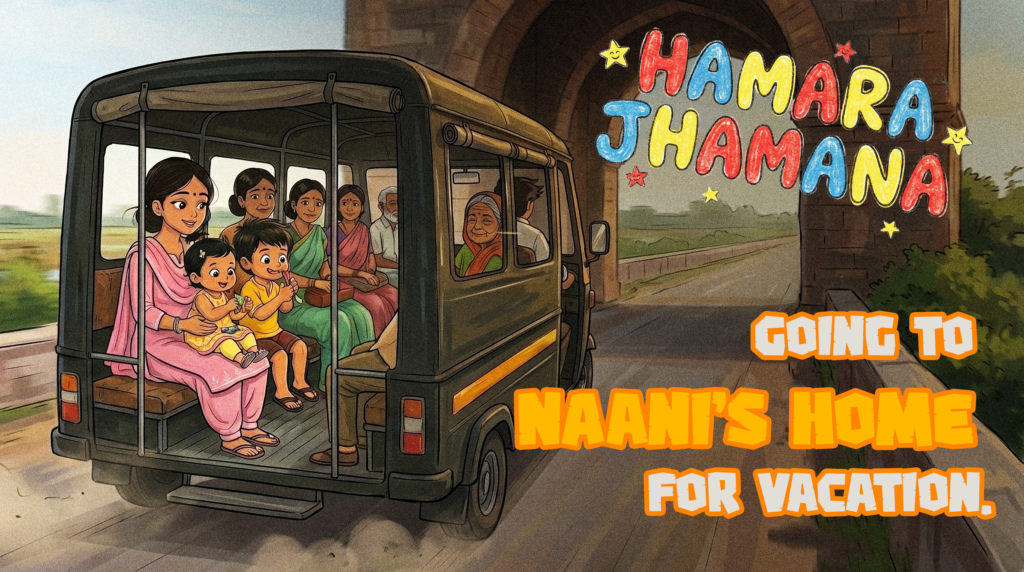
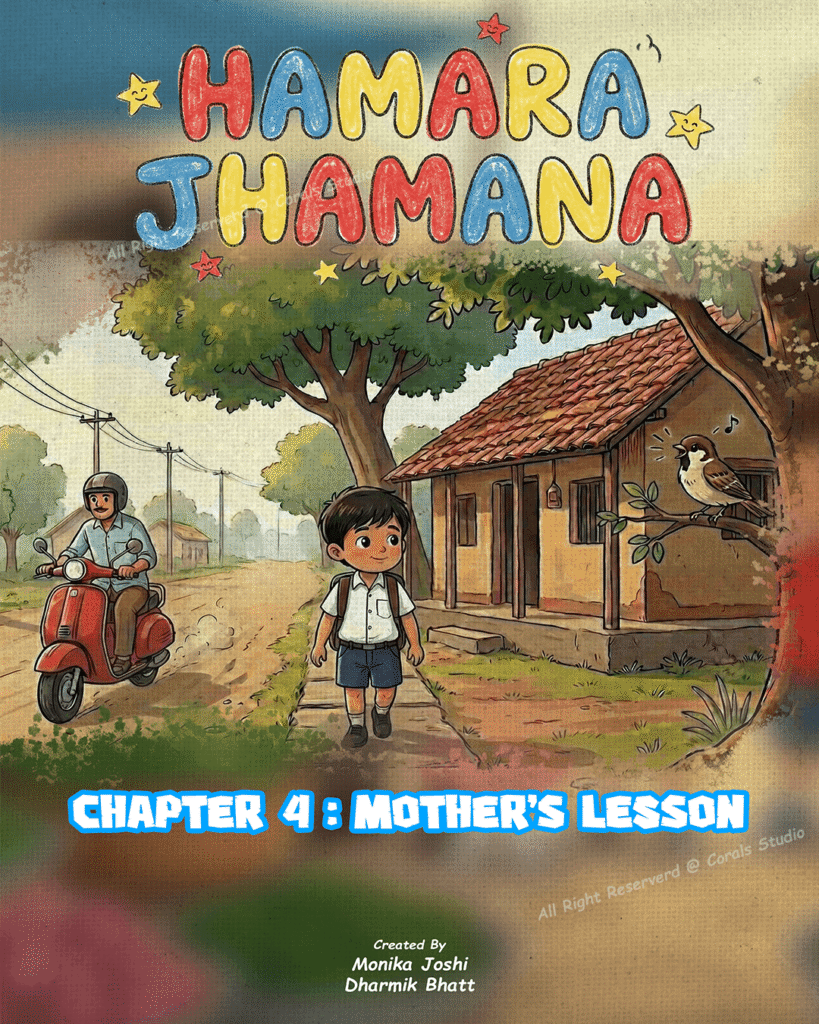
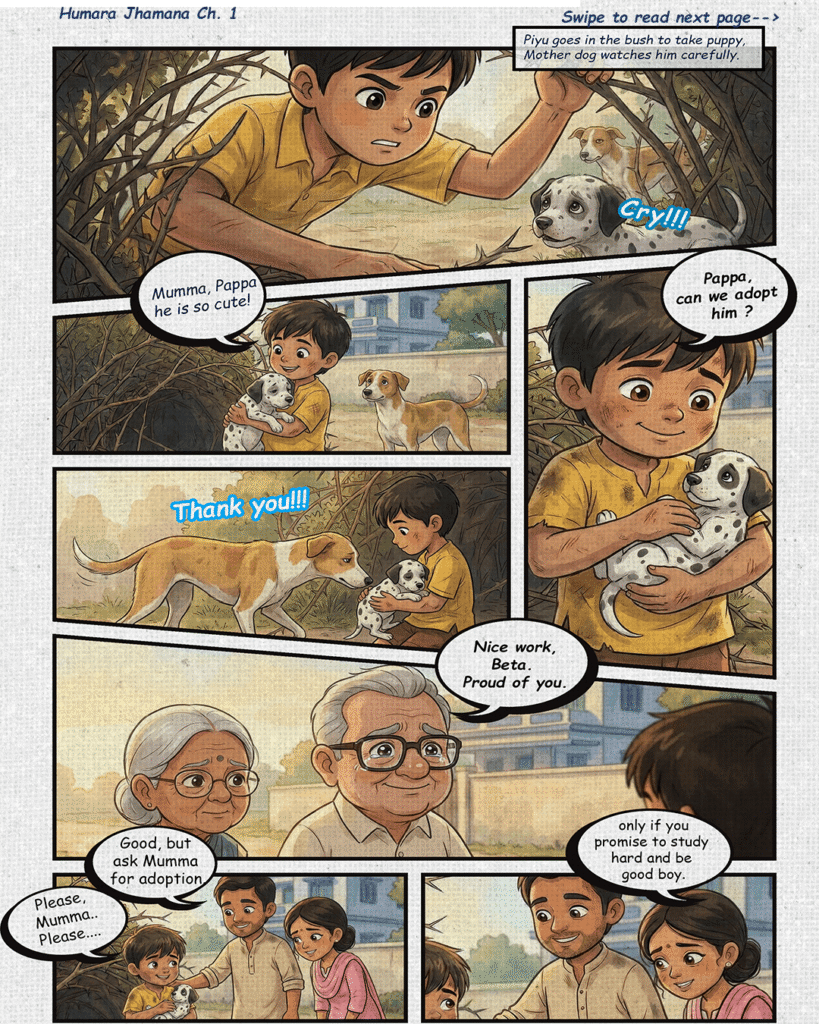
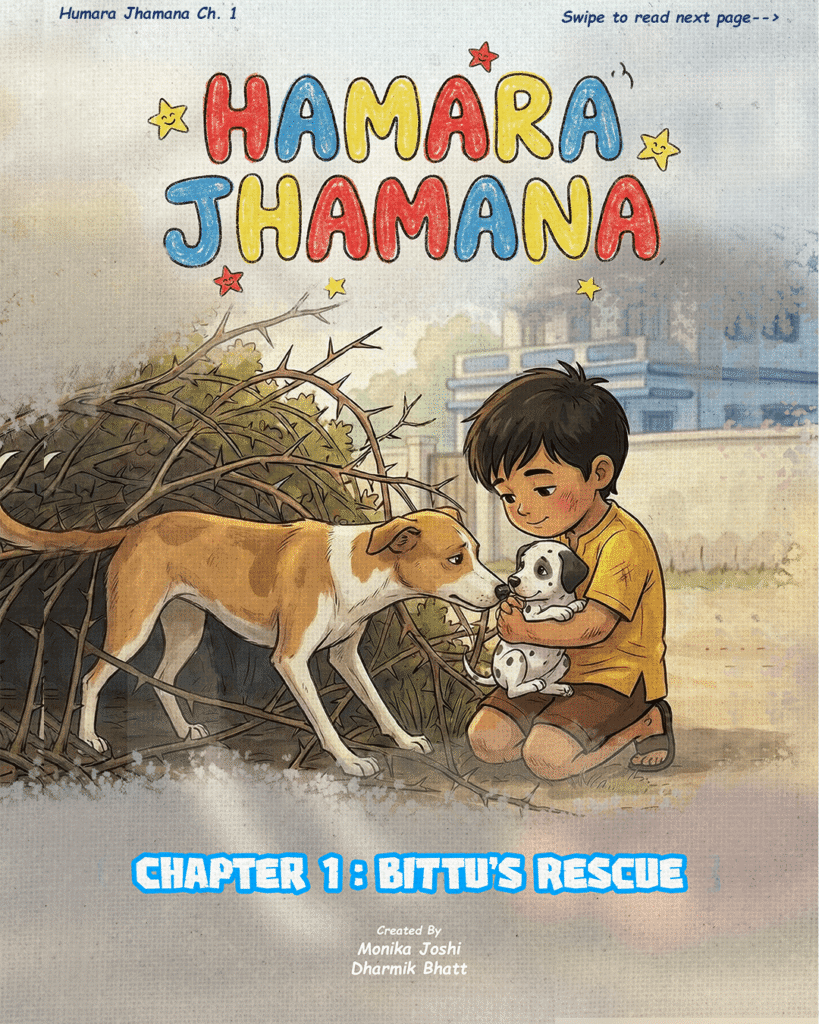
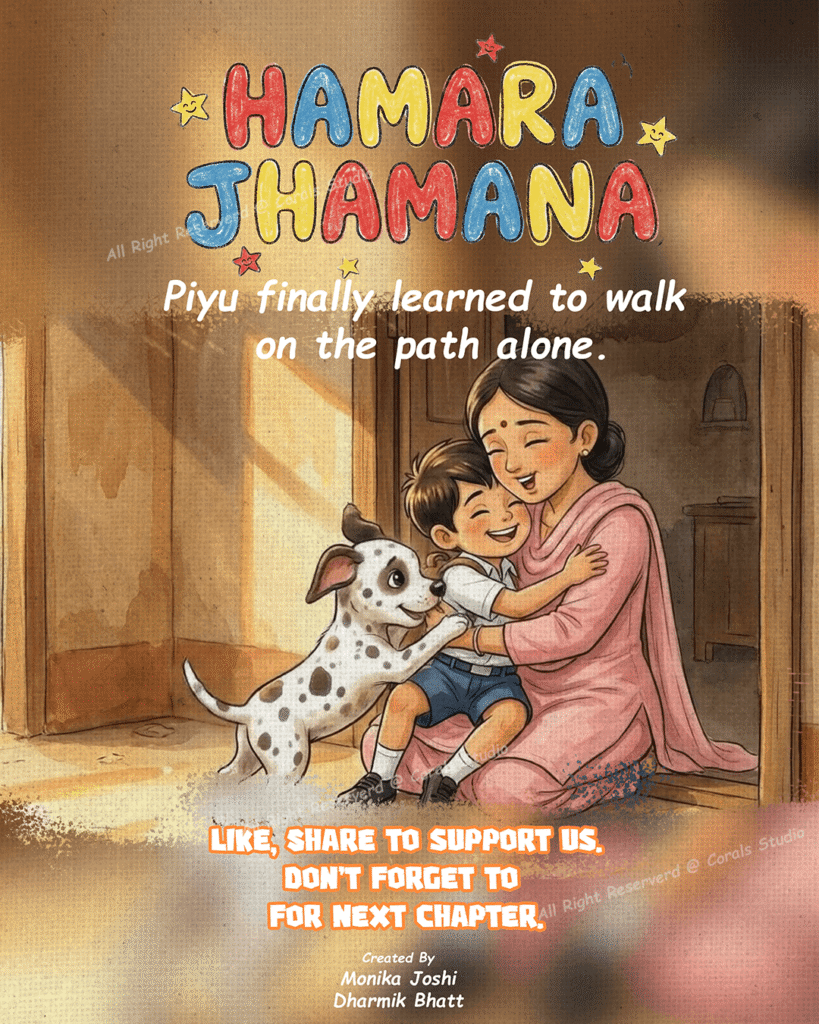
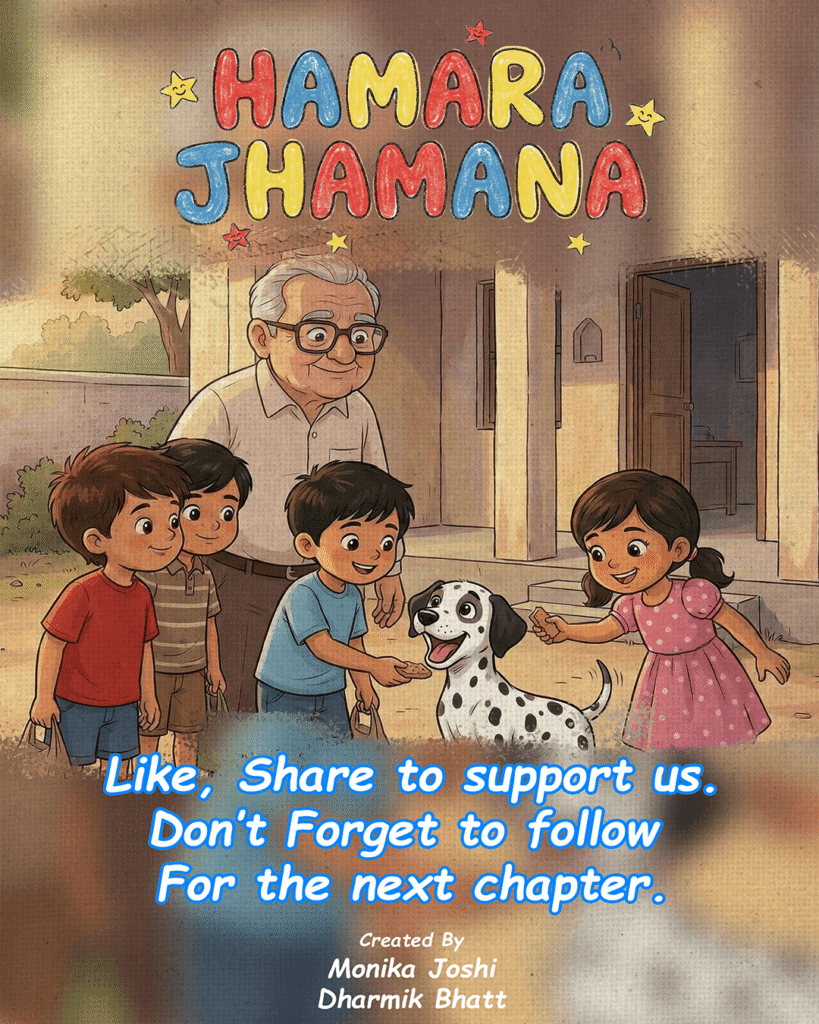
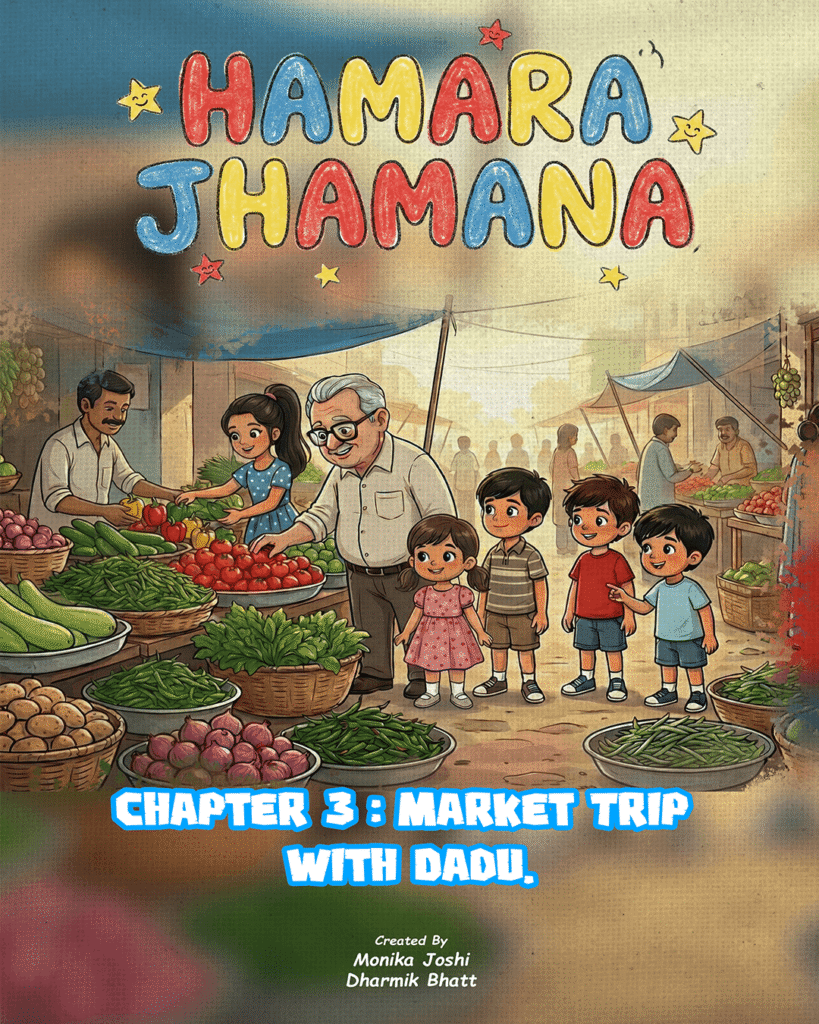
Humara Jhamana
There is a certain warmth in the way we remember the past not as it truly was, but as it felt.
Humara Zamana explores that space between memory and reality, where moments are softened by time and ordinary lives take on quiet significance. It reflects on the everyday, conversations, relationships, small rituals that often go unnoticed while they are happening, but remain with us long after.
Set within a familiar yet evolving world, the narrative moves through fragments of life that feel personal and shared at the same time. It is less about a single story, and more about a collection of moments that together form a sense of time, place and belonging.
At its heart, Humara Zamana is an attempt to hold on to something that is slowly changing to observe it, understand it, and perhaps preserve it through storytelling.
Around 2022, that direction became more intentional. I started working on projects that focused more on storytelling. Working as an assistant director on an international project, I was exposed to a different approach, structure, pacing, character, and narrative clarity.
At the same time, I had already experienced parts of the animation pipeline through earlier projects, including a feature film that never released. But even that incomplete journey helped me understand how stories move from idea to execution.
Gradually, I began working across the full process from concept to final output. Today, my storytelling exists across multiple formats, each exploring a different kind of narrative.
Vaidika is a web series currently in post-production a story that moves between mythology, memory, and interpretation, evolving through visual fragments and layered storytelling.
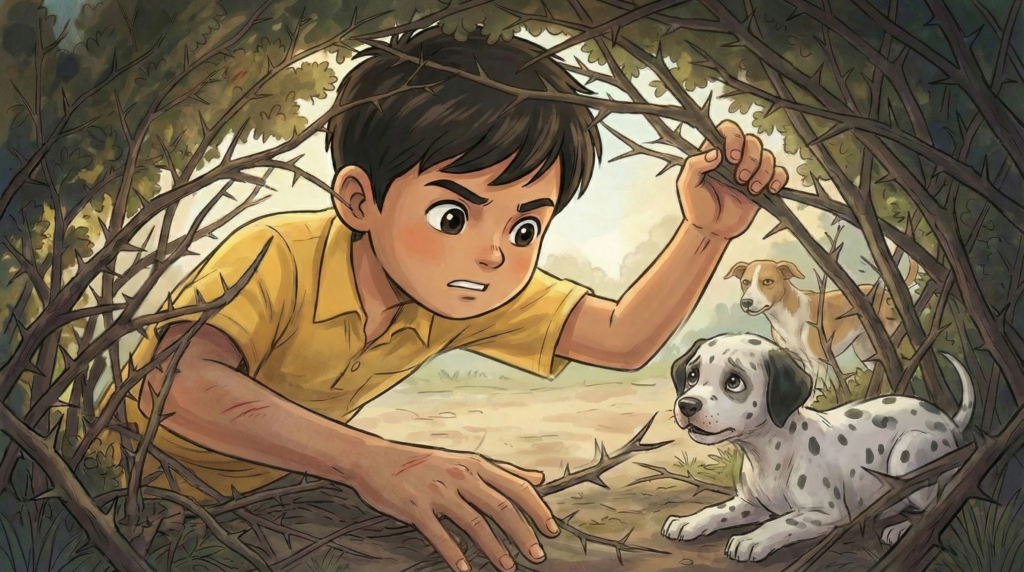
Humara Jhamana comes from a much simpler place, nostalgic, everyday stories inspired by childhood moments shared with family. Small experiences that often go unnoticed, but stay with us over time.
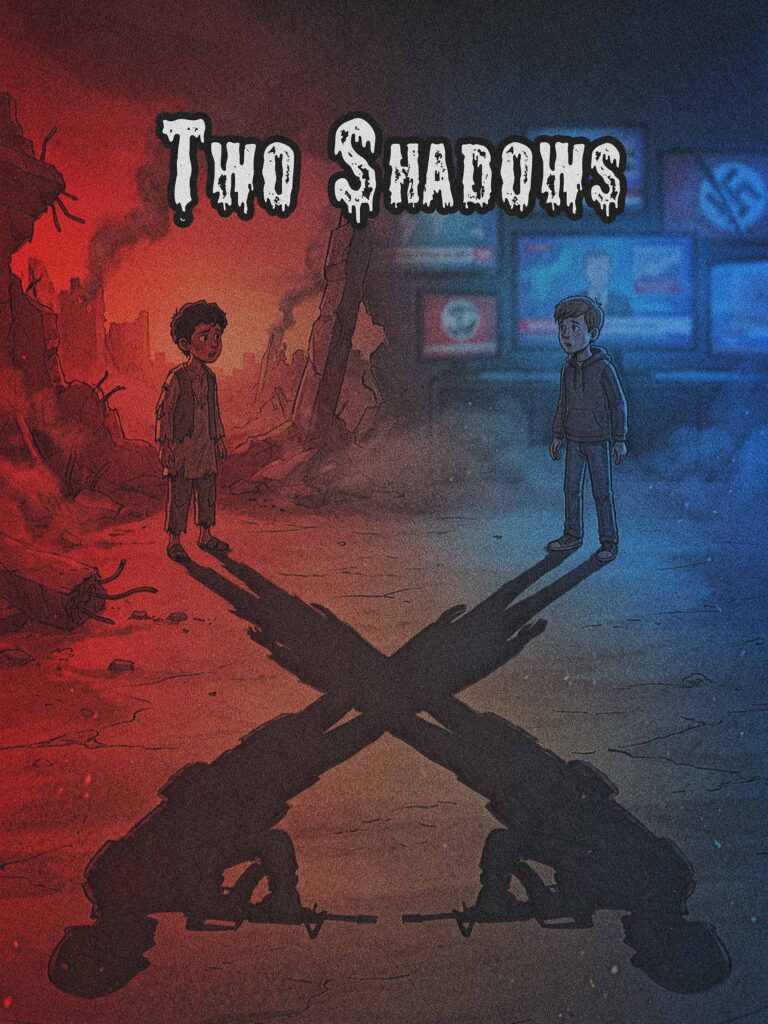
Two Shadows takes a different direction, a narrative shaped around conflict and perspective, exploring how stories of war are never singular, but seen differently depending on where you stand.
Alongside these, there are other ideas and projects in development some still forming, some waiting for the right time to be told.
Working across documentary, animation, and narrative storytelling has shaped how I approach every project.
Each format offers something differentobservation, structure, visual control, or emotional depth — but they all connect through the same intent: to understand and express stories more clearly.
With evolving tools and workflows, the process has become faster. But the core remains unchanged building stories that feel considered, not just created.