Documentary & Impact Stories
Documentary and Impact Storytelling
I didn’t begin with filmmaking in mind. It started much earlier, with a habit of noticing things — wildlife, streets, everyday moments that most people pass without thinking twice. During the final phase of my studies in Electronics, I found myself drawn more towards observing than building, and photography slowly became a way to make sense of that curiosity.
After graduating in 2014, I spent a lot of time outside with a friend, walking through Mandvi and filming whatever caught our attention — local wildlife, old structures, fragments of a place we thought we already understood. Over time, that perspective began to shift. Mandvi stopped feeling like just a hometown and started revealing itself as a story.
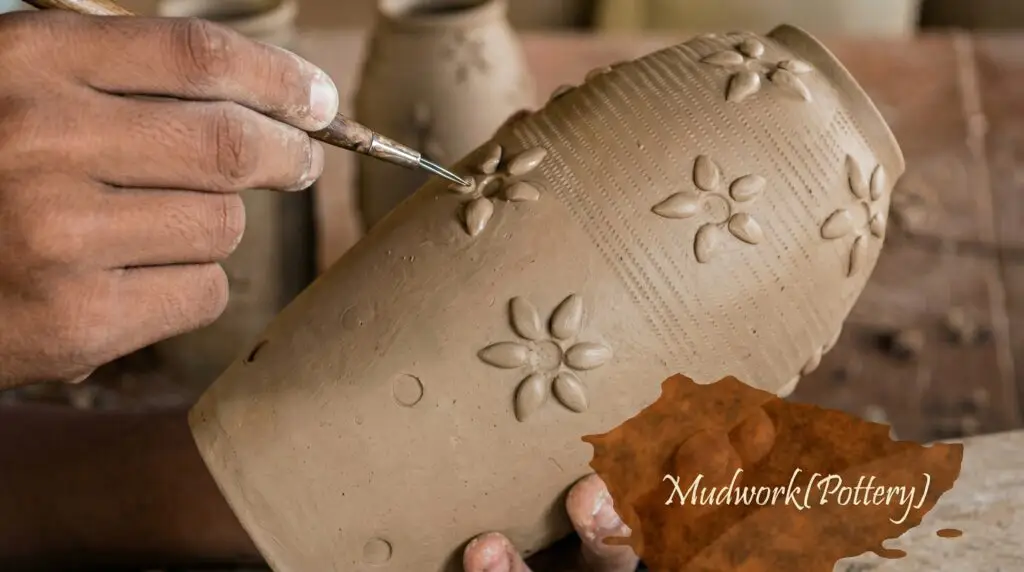
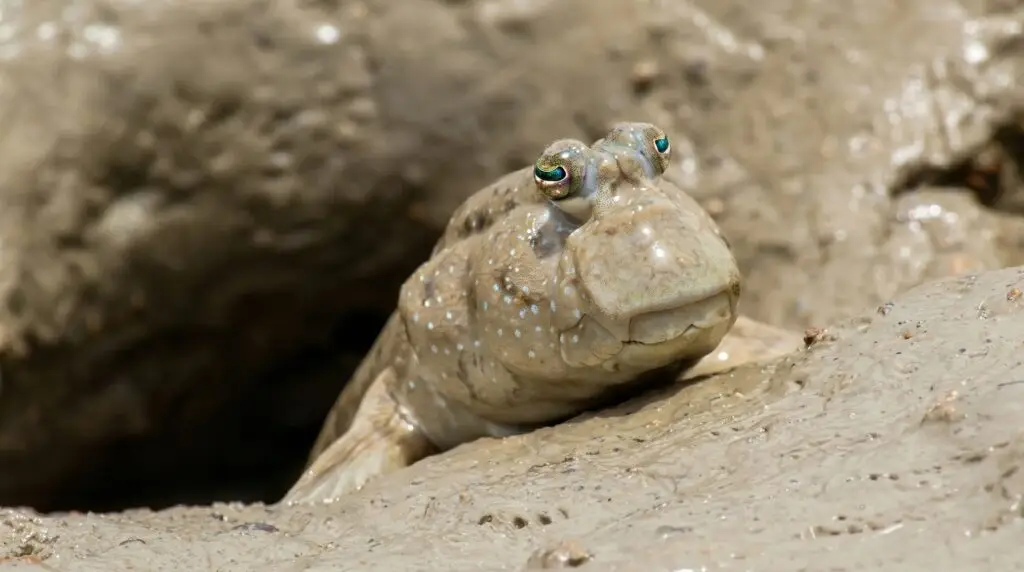
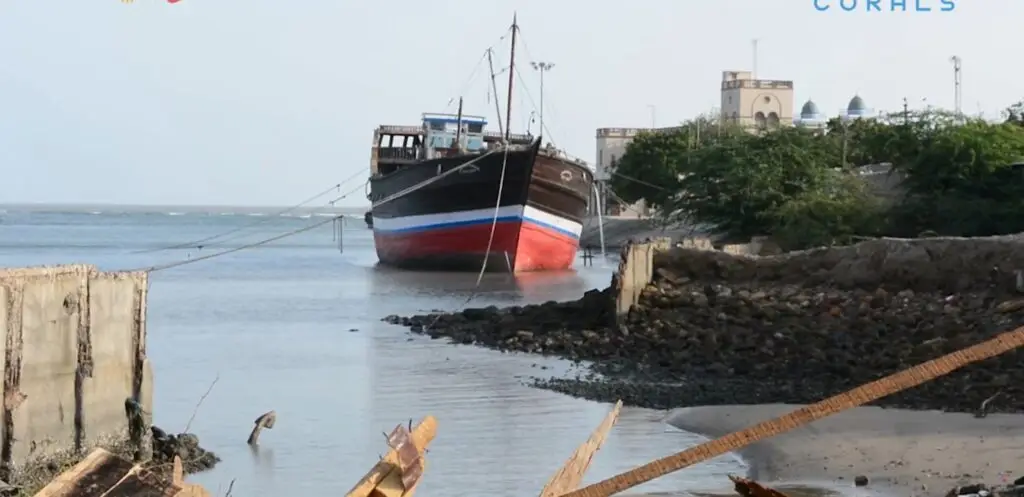
A town with more than 400 years of history — wooden shipyards still active, intertidal marine life, handicrafts, food, and people — all existing quietly without being documented in a meaningful way. We didn’t approach it as a formal project. We simply started filming, trying to capture what was already there. That process eventually became The Colors of Mandvi.
We borrowed a camera, funded it ourselves initially, and spent around four to five months shooting — meeting people, exploring locations, and figuring things out as we went. Somewhere along the way, it evolved into something more structured. We found a producer, and for the first time, I was paid for filmmaking. But more than that, the experience shaped how I understood storytelling — not as something you impose, but something you discover by staying with it long enough.
After that phase, I continued working on documentaries — some commissioned, some personal — each one taking me into spaces I wouldn’t have entered otherwise.

Lost Art
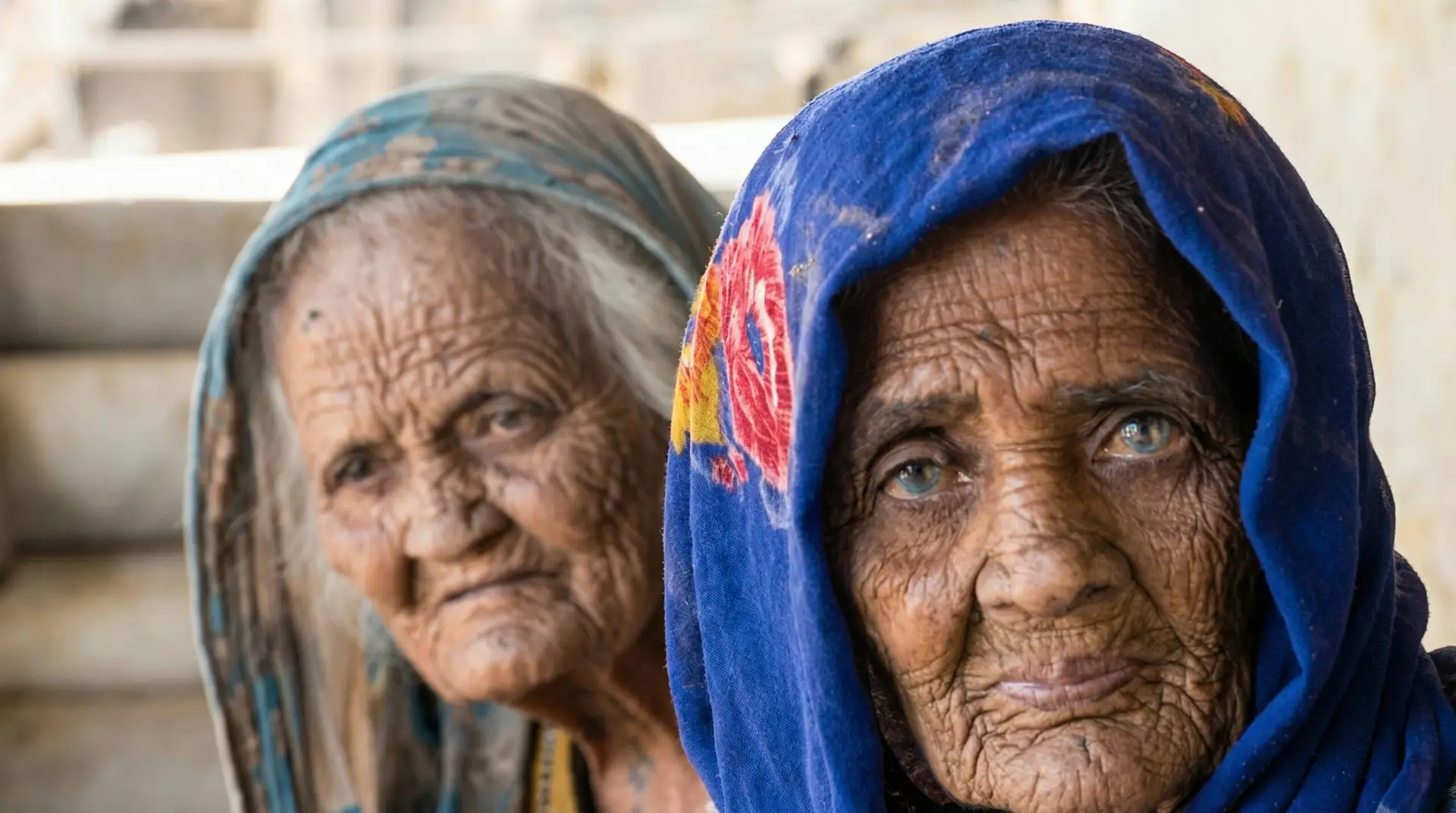
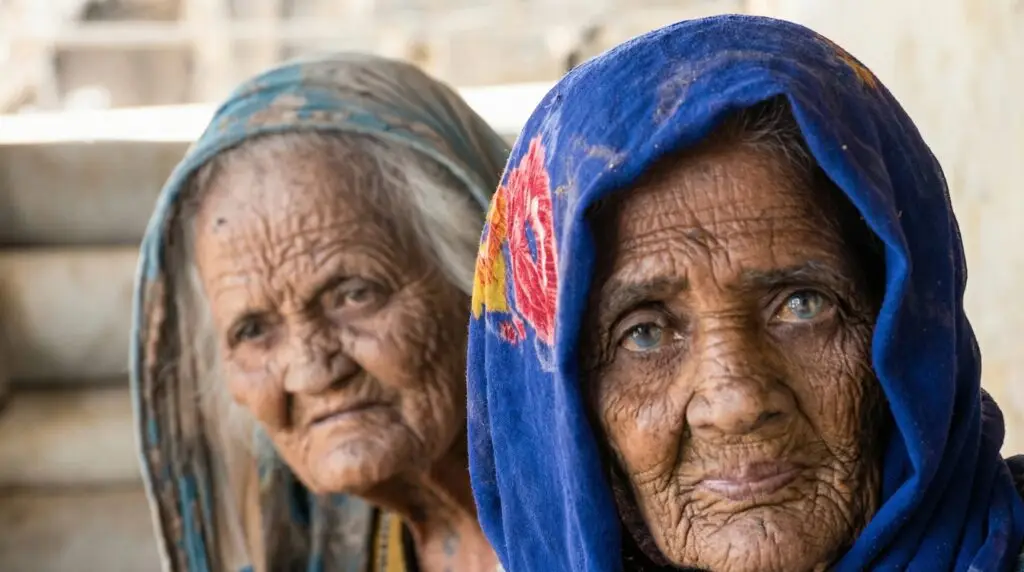
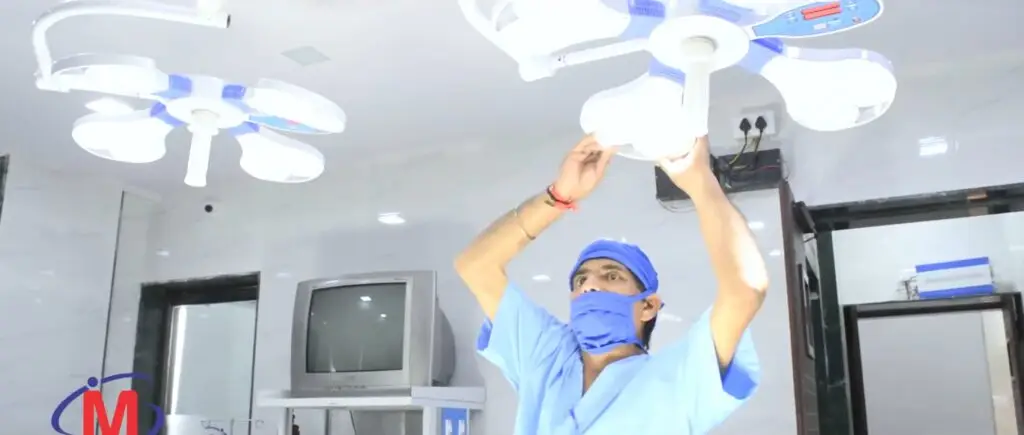
One of them was A Lost Art, a short documentary about Bachibai, an artist in her nineties. She had once received national recognition, but by the time I met her, she was struggling with basic survival — without a stable home, and at times, even without food.
There wasn’t anything dramatic about her situation. It was quiet, almost easy to overlook. But that’s what stayed with me — how something once valued could slowly fade, without anyone really noticing.
Working on that story was difficult in a different way. It wasn’t something you could distance yourself from. And when people watched it, the response was often silence — the kind that stays longer than words.
After that phase, I gradually moved towards animation and 3D design. Part of it was curiosity, but a large part was practical it allowed me to earn, sustain myself, and continue learning storytelling without depending on resources I didn’t have. Over time, work took over. Projects, clients, deadlines. But the documentary never really disappeared. It stayed somewhere in the background, influencing how I observed things even when I wasn’t actively filming them.
Water and Wings
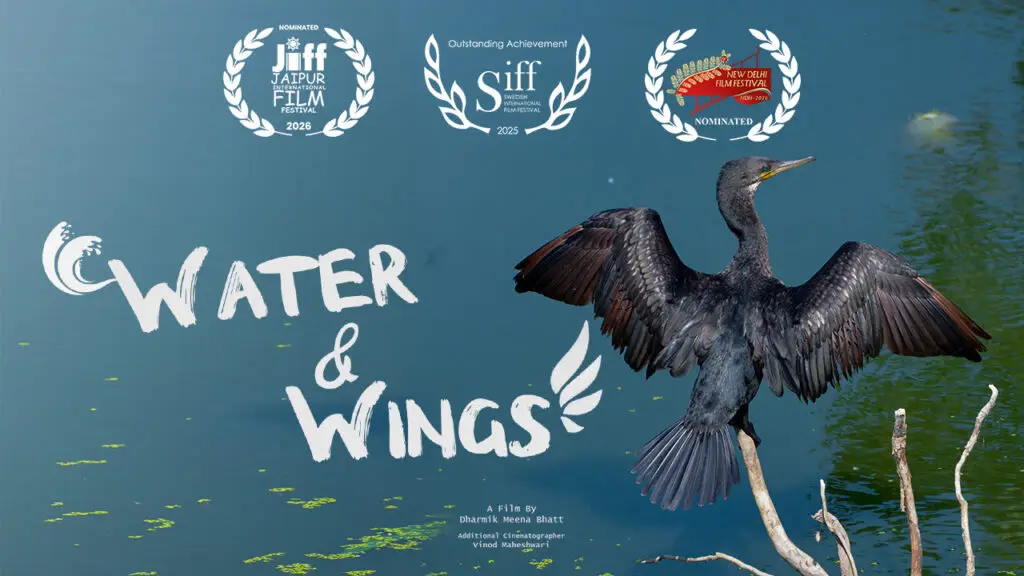
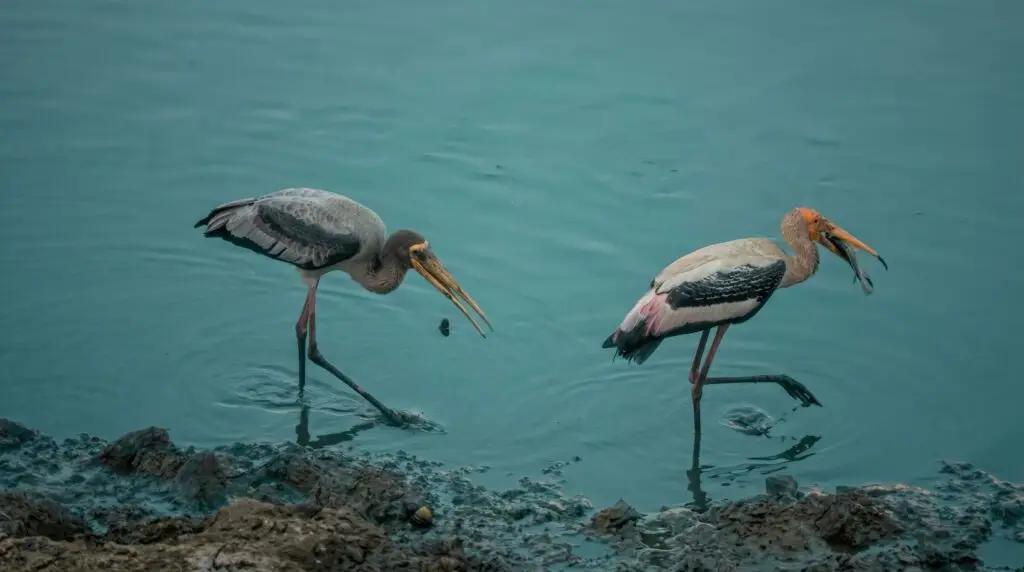
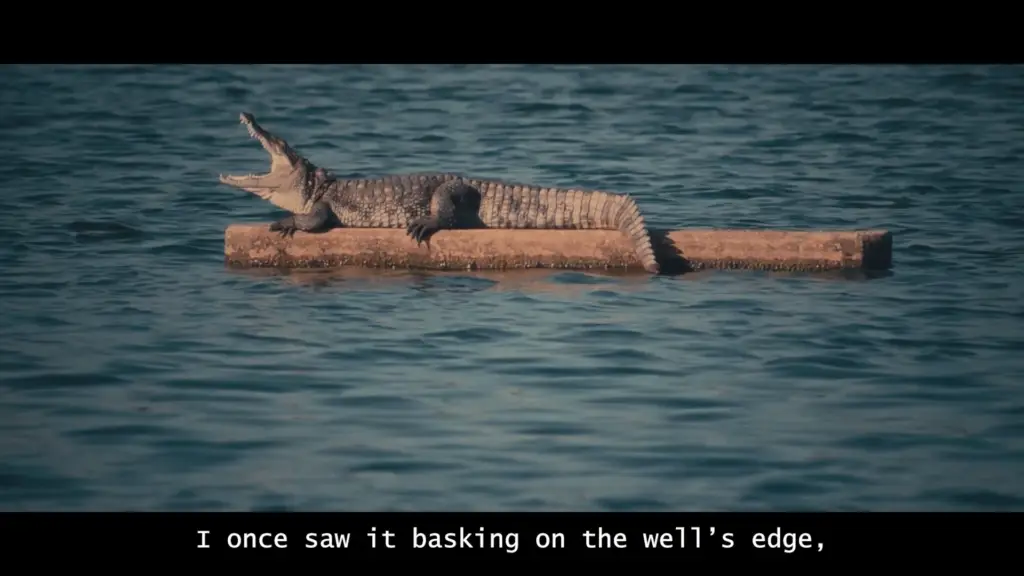
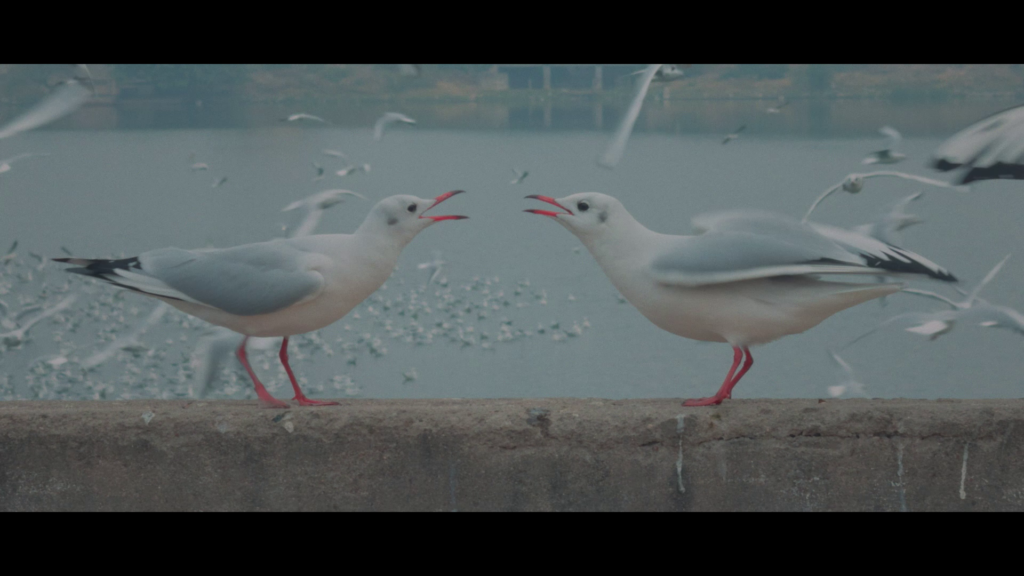
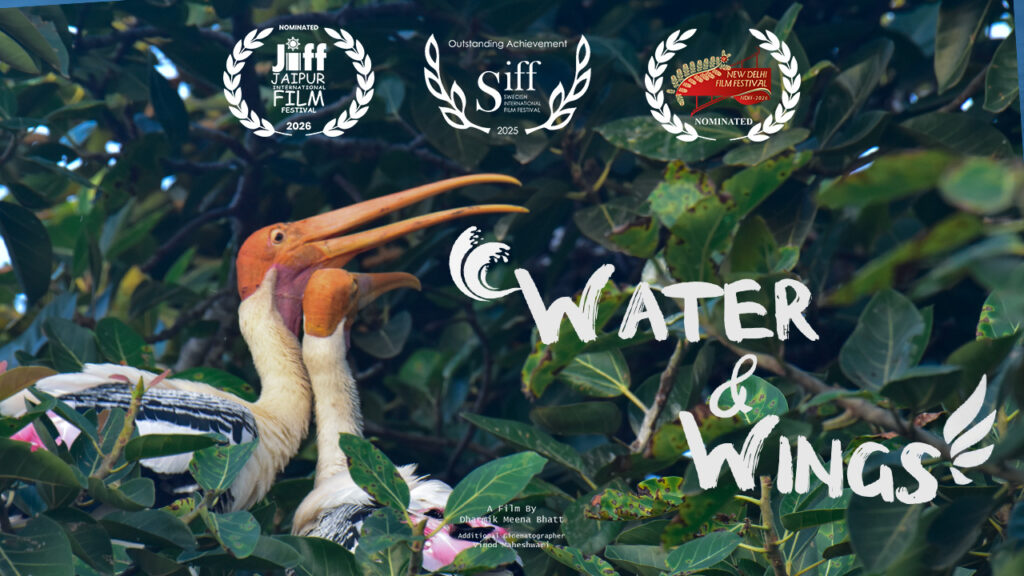
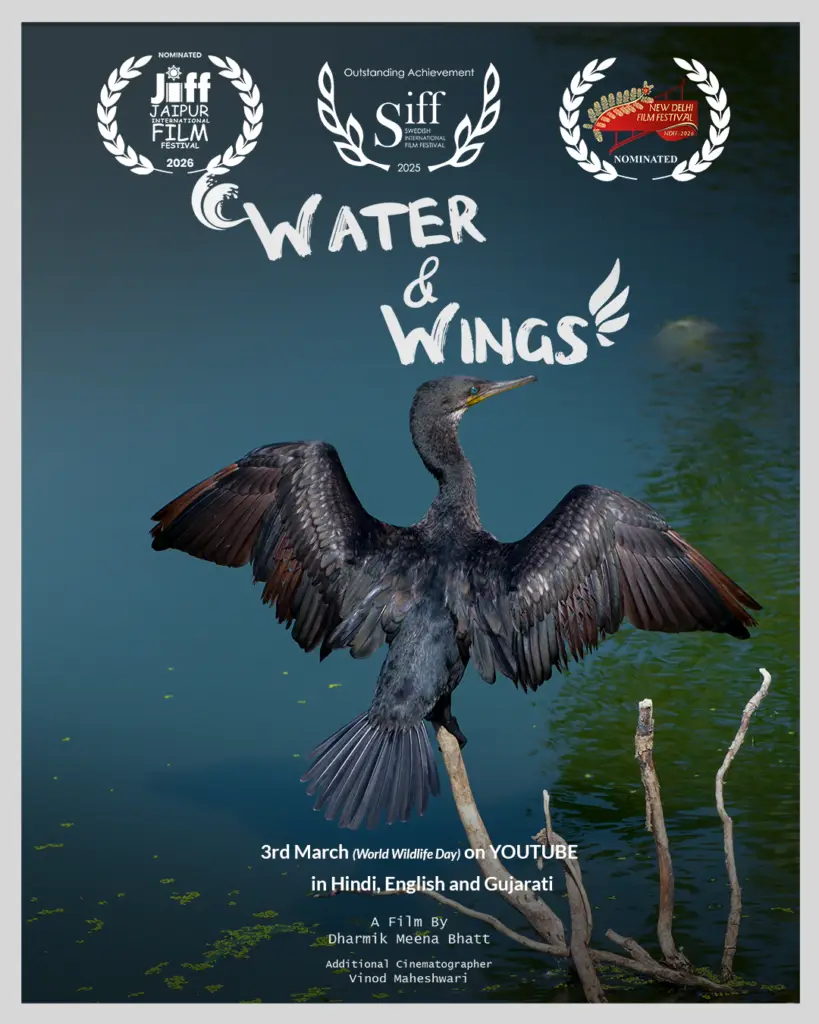
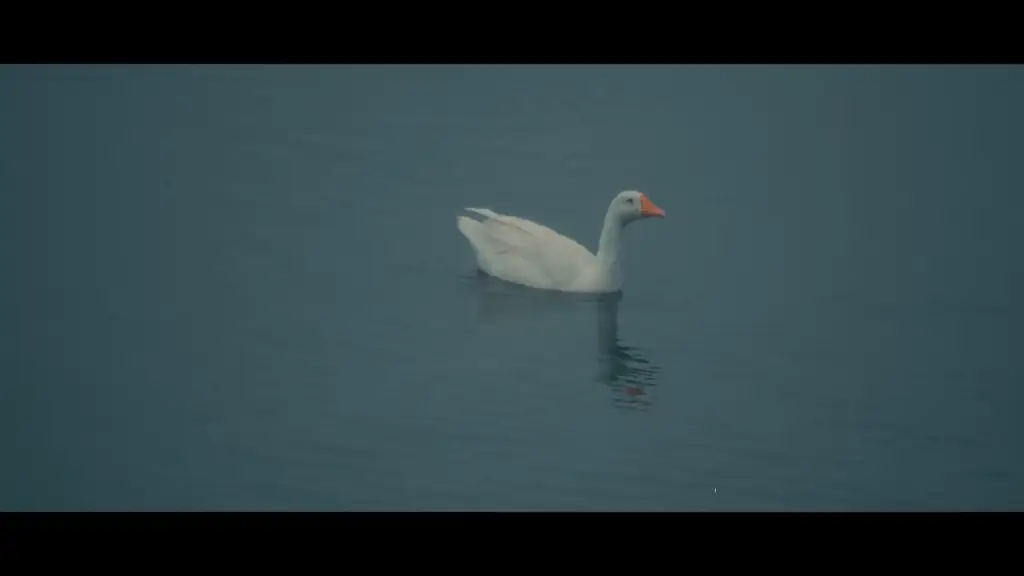
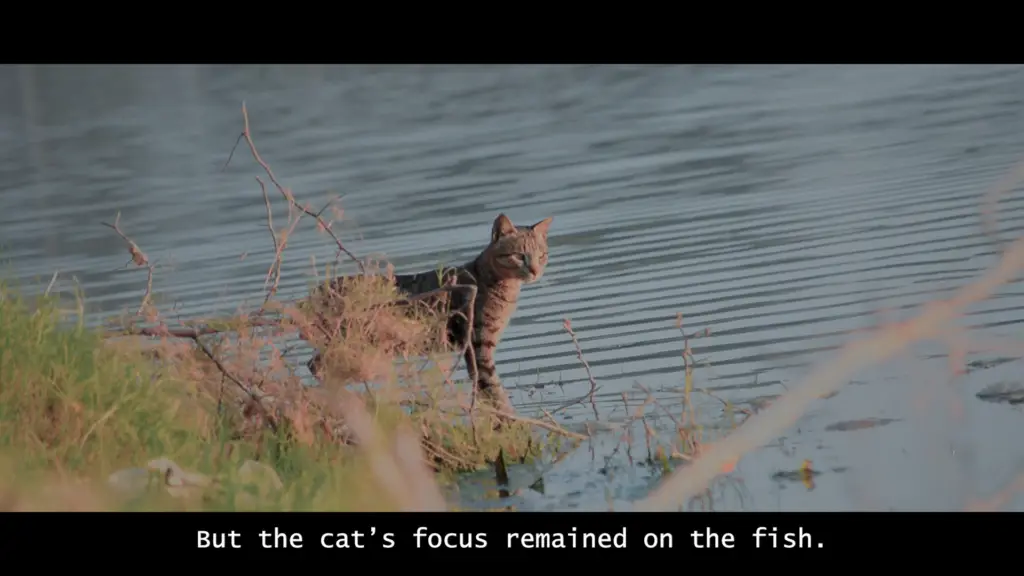
After COVID, I started approaching filmmaking more seriously again, this time with more clarity. Water & Wings began without a fixed plan — just collecting moments, mostly around nature and human interaction with it. I chose to shoot it entirely on a phone, not as a limitation, but as a way to stay closer to the moment.
The first cut didn’t work. It felt incomplete, like something was missing. That’s when the process shifted again — more time, more footage, and eventually collaboration. With additional cinematography and expanded material, the film grew into a 30-minute documentary. Water & Wings went on to be nominated at JIFF and NDFF, and received recognition at SIFF, but more importantly, it felt like a return — not just to documentary filmmaking, but to the way I had started.
Today, I don’t see documentary as just a format. It’s a way of understanding the world. Alongside filmmaking, I’ve been building Environaut with my sister — focusing on environmental and impact-driven stories. With the rapid growth of technology and AI, I find myself even more drawn towards documentaries, because while tools evolve, reality still needs to be observed, not generated.
For 2026, I’ve set a direction to create at least 8-10 documentary or impact-driven stories through Environaut — not as a target to complete, but as a way to stay consistent with the kind of work I want to keep doing.